 You don't need to be an 'investor' to invest in Singletrack: 6 days left: 95% of target - Find out more
“Engineers were delayed in fixing an air traffic control meltdown that stranded more than 700,000 passengers because a critical member was working from home, an inquiry has concluded.”
““Having exhausted remote intervention options, it took 1.5 hours for the individual to arrive on site to perform the necessary full-system restart, which was not possible remotely.”
The story is behind a paywall.
Was it an employed Engineer who supports more than one location, a subbie (who possibly supports numerous clients) or just someone who was WFH (and never use to)?
I've worked on card authorisation systems since the 90s. The last machine room I went into was in Moscow in the late 90s (it was a start up, the machine room was next to the office and the reason I went in was because the breakers had tripped).
Since then I've never had to go into a machine room and never had to get someone to do anything in the machine room due to an incident. Planned work, yes e.g. cabling new routers but not emergency.
In my current job the machine rooms are 70 miles from the office and that's normal. Gone are the days of running tapes around the city of London if Comms lines failed.
I've been working for 30+ years, and in every single job, from the most menial Saturday jobs in my teens, to senior corporate roles, there's always been an element of overtime from time to time. Reward for that overtime has varied from compensation to time in lieu, and sometimes no direct compensation.
I'd love to work in these industries where there's never any need for overtime.
TJ was a nurse in the NHS? I imagine there's plenty of overtime available, I assume he just refused to do it
Unfortunately BoardingBobs work place sounds a great environment to build a toxic workplace where each employee tries to out do the other to gain BoardingBobs favour .. ouch!!
With very little respect, that's BS. You can't judge that from what has been posted.
There is a difference between requiring flexibility and somewhere being toxic and that comes in reflected flexibility. Earlier this year I was working on 2 projects, one with a team in Australia the other with a team on the west coast of the US. So I tended to be doing calls at 7:30am and/or 7pm, if it was one or the other I'd just shift my working day to suit it, if it was both I'd split the day into 2 and go do something in between. Company gets it's flexibility but I make it work for me. Equally I normally tend to finish early on Wednesdays to go on club night rides and Thursdays I start later because I'm a bit knackered, or I can go to dentists/drs/school meetings, I do however ensure my contracted hours are done within the week. I wouldn't dream of ever asking for permission to do that, or being censured for it by anyone within the company for it, and if client meeting requirements dictate differently then that gets factored in. As a parent I much prefer this flexibility to when I had a fixed 9-5:30 contract with neither party deviating from it.
If that is what BBs company was offering ,why is that unreasonable? Is it any more or less unreasonable than a company that gives no flexibility but also requires absolute compliance with contracted times from employees? It may well be that the candidate needs to work absolute hours to fit around other things which is absolutely fair enough but that means that some roles don't work for them.
If BBs company expects to have all of the flexibility they need without allowing the same to employees then I'll accept that they're taking the piss but there has been no suggestion of that.
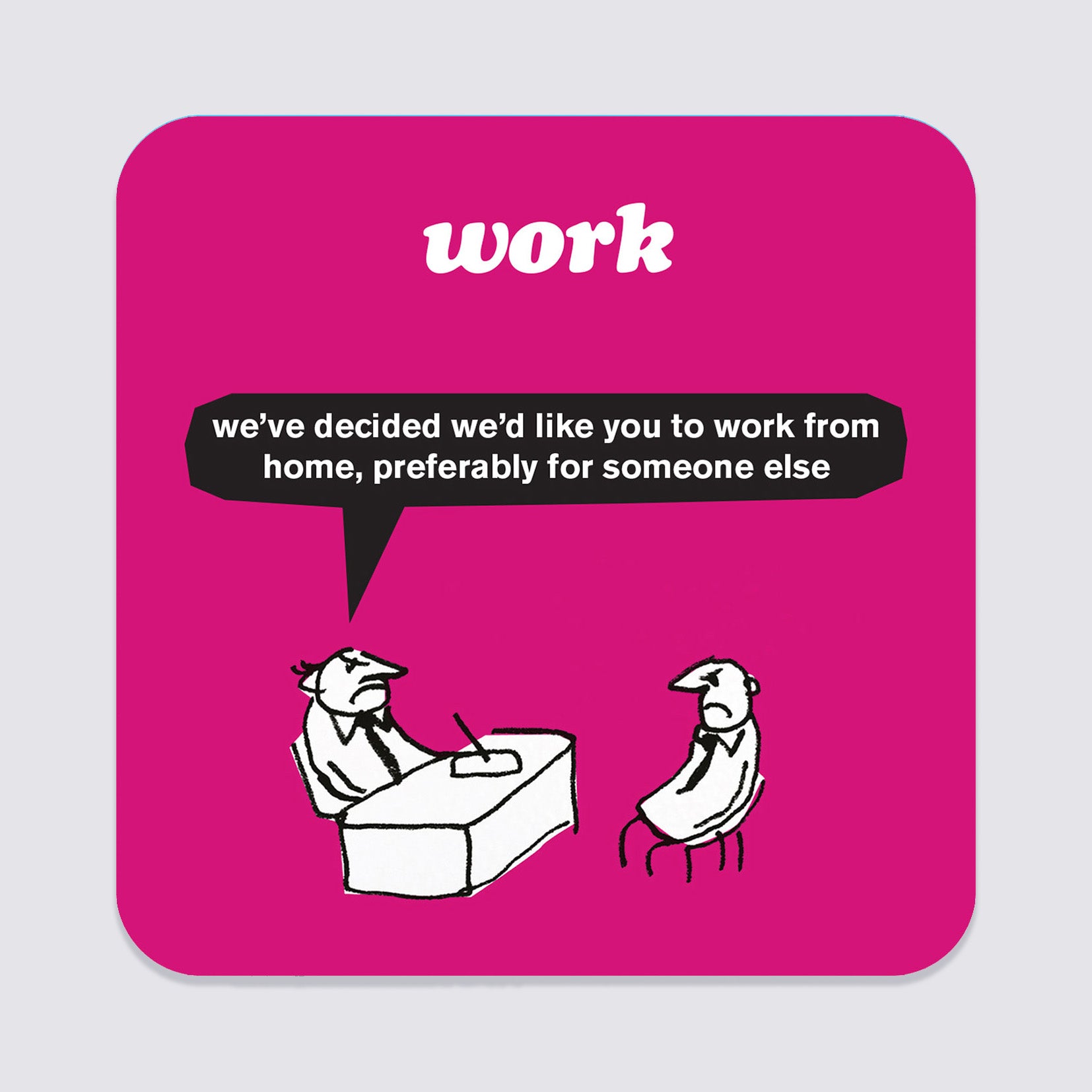
The story is behind a paywall.
Was it an employed Engineer who supports more than one location, a subbie (who possibly supports numerous clients) or just someone who was WFH (and never use to)?
The headline seemed like a real stretch from the article text, which said that the on call engineer took 1.5 hours to get on site, after having tried to solve the problem remotely. Guideline (not rule) was that the engineer should have been no further than 1 hour away when on call.
Appears to have been an engineer employed by NATS
"In their final report into last year's incident, published on Thursday, the CAA found a Level 2 engineer was working remotely rather than on-site at NATS' headquarters in Swanwick, Hampshire, on 28 August."
"
It was then agreed that the senior engineer would go to the control centre, but it took another hour and 30 minutes for them to arrive.
By that time, it had been three hours and 15 minutes since the incident began."
"https://news.sky.com/story/air-traffic-control-chaos-that-left-thousands-stranded-made-worse-by-wfh-engineers-password-failure-caa-finds-13254283
On the other hand at least until hundreds of thousands of passengers were stranded he had a better home/work balance.
I thought the engineer couldn't fix the problem even when he was onsite??
It was eventually fixed by a the Frequentis Comsoft in Germany (remotely!)
TJ was a nurse in the NHS? I imagine there’s plenty of overtime available, I assume he just refused to do it
I organised my work so there was no need to go over my hours and i also organised my staffs work so there was no need to go over their hours. part of being a good boss and a good team leader
working overtime with no compensation is abusive
If BBs company expects to have all of the flexibility they need without allowing the same to employees then I’ll accept that they’re taking the piss but there has been no suggestion of that.
he is certainly suggesting the overtime is mandatory and also in some cases unpaid
he is certainly suggesting the overtime is mandatory and also in some cases unpaid
He is not, he's suggesting that flexibility is required, the two are absolutely not the same. He's not even suggesting that overtime is required. Flexibility could be total hours in a week (formally compensated or otherwise), it could be when this hours are within a day (within a reasonable band or otherwise), it could be where you need to be and requiring overnight stays. Just because you have in mind your view of what it is does not make it correct and black or white.
And just as reasonably, the remuneration package may be at a level that these things are acceptable as long as the expectation is clear to both parties. That may be performance related bonuses, it may be base salary levels it may be access to other benefits (including unfettered WFH ability).
I organised my work so there was no need to go over my hours and i also organised my staffs work so there was no need to go over their hours.
To an extent you were planning against maximum use case and it is able to be funded as such therefore you aren't resourcing for peaks and troughs and where it is it is seasonal trends so to an extent predictable. Where there are resourcing issues the impact of that is passed down to the patients (appointment cancellations, etc.). It's the nature of the beast and allows a specific style of working approach, manufacturing is similar. Other industries are different and work differently.
part of being a good boss and a good team leader. working overtime with no compensation is abusive
And yet the NHS has significant problems with overtime, budgeting for use of contractors to cover shifts, staff burnout & morale.
You say requiring overtime is abusive but I think it's far worse when the lower paid staff are expected to pick up all the unpleasant shift work impacts and grief, provided with no flexibility but more senior you are the more these constraints and requirements. When senior management expect you to do something different to them that is where abusive practices arise.
I don't think I could bear a job with strict hours, and I'm happy working in an industry where the workload is variable rather than static. No overtime, just a salary and flexibility.
A lot of industries are like this, and imo Bob's position is reasonable. It's only a problem if it's all take and no give.
Bob states overtime not flexibility
Obviously business critical incidents l or occasional longer days are acceptable so long as the legally required compensatory rest is given and its paid
A culture of constant mandatory overtime and presenteeism is not
Bobs post read to me and the others as the latter
We have it in our contracts that employees should be available to work outside of contracted hours which are, notionally, 9am–5.30pm. However we have people that start at 8am, take shortened lunches and finish earlier, others that start at 10am and take no lunch etc. We are also cool with people dipping out to do school runs, get haircuts, go to the dentist, take partners to hospital appointments etc.
So, as an employer, it does really **** me off when we get kick-back on the *very occasional* time we ask someone to work extra hours (with time off in lieu) in order to make a deadline.
Ohh, and everyone is free to work whatever remote hours they want to – we only occasionally (like every couple of months or so) ask people to come into the office for meetings (then they have the nerve to ask us to pay them travel expenses)! Err, did we pay expenses when you were in the office full time? What does it say in your contract?
I think it’s far worse when the lower paid staff are expected to pick up all the unpleasant shift work impacts and grief, provided with no flexibility but more senior you are the more these constraints and requirements. When senior management expect you to do something different to them that is where abusive practices arise.
I quite agree - which is why non of the staff in my team ever worked over their hours either. I made sure of that as I said in my post.
which is why non of the staff in my team ever worked over their hours either. I made sure of that as I said in my post.
And yet as you progress up the management chain in the NHS that does change. Management and consultants are not regularly working night shifts are they? They aren't covering in case someone is late arriving, etc.
Unions are strongly represented in industries where there is a significant asymmetry in the expectations and conditions placed upon different levels of staff or those further from management have a greater expectations to provide flexibility than the managers. And there is a good reason for that.
Obviously business critical incidents l or occasional longer days are acceptable so long as the legally required compensatory rest is given and its paid
So you do require flexibility and do expect staff to work beyond their contracted hours. So you want flexibility did you provide it back? Or on top of that were you requiring them to sign in and be present at the specific start of their shift and finish no later than their defined end time, breaks to be no longer than defined as well I would imagine. Did your staff to have to request leave through you? Did they have to speak to you to request/approve variations to shift patterns?
No I never required flexibility from my staff. I was talking about a general case. I managed workload so this was not required
If staff required a small amount of time off duty for any reason they normally got it without requiring that time to be paid back ie doctors appointments and the like
Staff had contracted hours of work and were expected to work to that. Breaks were always taken. an extra break would be given if we had time available on occasion. Some posts I had I did the leave and shift swaps, some not.
I had staff that had come from units with a culture of presenteeism. they were used to working thru breaks and after hours because of the culture and management and were surprised that this didn't happen in my units. Staff who do not take breaks are less productive, happy staff are more productive
I left a role and company at the end of my road (that I was doing rather well with) - to take an opportunity that would never have been possible based on office location. The flexible option made this a reality.
It was sold to me that the team was remote - signed off at VP level etc etc, although the contract did still have to state the office rather than remote and the requirement to go in as and when. This was fine. But for either of the two locations we have - it is now a 4 hour round trip (at best). This doesn't work with a primary school aged child.
In line with other companies, they've upped the frequency requirements and a looming buy out (with the new company mandating 60% time in the office) - will cost me about £700-800 per month in train fairs.
The mad thing is that our company billed the whole remote working as "being able to get the right people for roles with location not being a factor". They subsequently said in a town hall that they were scrapping that and "if we can get someone who's a reasonable role fit within commuting distance, then that is good enough"
I am delighted - as are all the other people that unwisely took them at their word. Ah well.... It's been a great 3 years!
But that experience you have TJ is from a requirement for absolute start and end of shift. And in that you are correct that taking breaks leads to a happier and more productive workforce. Your remuneration would also reflect that.
But in industries where you do not need to define start and end times for business planning requirements you can provide (and expect in return) flexibility to meet both personal and company requirements. Being given the agency to manage your own workload to meet the demands of clients also leads to happy engaged staff in contracting/consulting conditions (as long as salary reflects the potential impact). Different strokes for different folks. Doesn't make any one better or worse, shouting that it's abusive is silly.
Despite it being far easier to move companies within the consulting world, levels of retention in the companies that I've worked in that provide that flexibility are far lower than ones that don't. If it was abusive or felt to be unreasonable staff would just up and leave. But the movement is generally from public sector (with fixed hours) to consulting rather than the other way.
Bob states overtime not flexibility
He talks about sticking rigidly to contracted hours, and you appear to have assumed that's total hours worked, which it might be but isnt clarified clearly by Bob. It could mean "you need to be at work between this time and that time" or "you must work x number of hours, some of which are out if normal office hours"
Can you quote what you're looking at?
To clarify, sometimes during a couple of points in the year, my team need to work longer than their contracted hours to get their job done. They are compensated for this.
If someone says there is zero flexibility from them around working overtime, then at these peak times they wouldn't be able to do what's needed. I'm much happier that they told me this at the interview rather than a few months in, when it would have been a much bigger problem for both sides
They are compensated for this.
So paid (and mandated) overtime, but no flexitime? A requirement to be flexible is almost a given in any job. Not hiring someone unprepared to be flexible makes sense for many businesses. But the desire for burning the wick at both ends sometimes to be balanced with time off to recharge at others, shouldn’t be seen as shirking. Flexibility needs to cut both ways if you want a dedicated and healthy workforce.
sometimes during a couple of points in the year, my team need to work longer than their contracted hours to get their job done
That's a management issue. Either the team needs to grow for this extra work or the incoming workload needs to be managed so that the team can deliver it within their working hours. Knowingly committing to work that won't be possible without your team working overtime is a failure by somebody higher up to say No.
For context I managed a large team with a variable workload and multiple competing deadlines every day. Nobody was ever expected to work beyond their contracted hours and I'd make damn sure they took their full annual leave entitlement too.
Oh Christ! You’ve done it now! You’ve summoned his restless spirit back from the dead!

The NATS failure has FA to do with WFH.
- System failed, on a Bank Holiday.
- Onsite Engineer couldn't fix and after a while called in the On-call Engineer.
- They couldn't get access remotely so had to come in, took them 1.5 hours vs 1 hour 'agreement'.
- On-Call Engineer still couldn't fix so called in Software Company.
- They fixed after 30 mins.
If the On-Call Engineer had got there within the 1 hour 'agreement' the problems would still've occurred, just it'd been a 2 hour 45 minute delay rather than 3 hour 15 delay...
Bob - so you wouldn't employ someone with caring duties then? someone who had children to pick up from school?
Bob – so you wouldn’t employ someone with caring duties then? someone who had children to pick up from school?
are you just making shit up to smear mud now ? he never said that either.
its a question. If he will not employ someone who is prepared to work over their hours then what about someone who needs to leave on time because of childcare responsibilities? He made it clear its a red line for him. Staff must be able and willing to work mandatory overtime.
TJ, hypothetical question here. If you're given a task to do, say get a tender pack out and you're given 2-weeks to complete it, you agree to the deadline but find that after a week you may be struggling to hit that deadline for whatever reason, would you not work on a bit in order to ensure the deadline is met? Bear in mind you're in charge of your workload and you've agreed to the deadline thats been put to you.
He made it clear its a red line for him. Staff must be able and willing to work mandatory overtime.
you really have not comprehended what he wrote have you ? you've got all frothed up about the hypothetical you have drifted away from what was written down.
so you wouldn’t employ someone with caring duties then? someone who had children to pick up from school?
Why would that prevent them from being flexible? Many of the people I work with (and me) have child care responsibilities, working practices are flexible around them. We are all able to manage peaks of work around that, WfH has improved the ability to do that for many.
Trailrat - what have I not comprehended here?
sometimes during a couple of points in the year, my team need to work longer than their contracted hours to get their job done
that sounds like mandatory overtime to me and he refused to employ someone who would or could not
Mr hoppy - some folk can, some cannot
that sounds like mandatory overtime to me
Then you look at some things funny - cos I don't see that as implying "mandatory" at all.
Trailrat – what have I not comprehended here?
Bob mandating anything.
His post had two actors in it.
Eh? he refused to employ someone who said they wouldn't do it. Doesn't sound voluntary to me - Also the use of "need"
Mr hoppy – some folk can, some cannot
And that precludes them from working in any number of jobs. Equally there are many jobs that provide specific absolute hours which they can apply for.
And a companies ability to accept that is limited by all sorts of things, a company with 40 staff doing something might have flexibility to allow someone to only work specific hours, one with 4 may not.
It's like Jeremy vine. Youve filled in the blanks with what you want them to say to get to where you want it to be for your arguement. But the gulf between what's written and what your inferring is vast.
In short I wish I was as good a mind reader as you.
I think what TJ is trying to say.
Is he doesn't understand how anything but the NHS works.
Bob – so you wouldn’t employ someone with caring duties then? someone who had children to pick up from school?
The reasons someone can't be flexible are irrelevant. Point is they can't come to agreement on what each can give/accept, so they don't get the job.
Well yes filling a shift on a clock with a competent body is different to supplying deliverables with variables
I employ Joe. Joe works in my workshop as an engineer.
Joe wants to move into the field work side. He interviews and he's the perfect skilled candidate.
I need to send Joe to a location where there is absolutely no way to travel home at night or even ona. Specific known day on command*
Joe says he cannot go because Joe has kids and is the sole carer
Should I give Joe the job.
*Joe doesn't exist..... Joe isn't even a chap with his name changed completely hypothetical but plausible situation for many in engineering
trail rat - I have directly quoted him. He says folk need to do it and he will not employ people who will not or cannot
A lot of stockhom syndrome here 🙂
Is he doesn’t understand how anything but the NHS works.
Coincidentally, I was in a training day yesterday, half the room being former Scottish NHS nurses, oh boy, the NHS sounds like a complete and utter crap show for looking after it's people. Its weird listening to people explain how they're initially freaked out by an employer looking after them.
Caveat being, former NHS and probably was an opportunity for some venting.
Not in law. It can amount to indirect discrimination
So you'd hire Joe out of fear.
And there is a nutshell is why the NHS is in a shit tip.
IANAL but I’m pretty sure companies don’t have to give jobs to people who can’t or don’t want to meet the needs of the business.
there’s always been an element of overtime from time to time. Reward for that overtime has varied from compensation to time in lieu, and sometimes no direct compensation.
I’d love to work in these industries where there’s never any need for overtime.
Overtime is absolutely fine, welcome even. Being expected to work for free is not. I routinely worked out of hours, the flipside being that I didn't expect any shit if I rolled in at 10am or had to take a two hour lunch.
(then they have the nerve to ask us to pay them travel expenses)! Err, did we pay expenses when you were in the office full time? What does it say in your contract?
It's work-related travel to somewhere other than their regular place of work, you absolutely should be paying their expenses. It matters not one jot what it says in their contract. Go see what HMRC have to say about it.
TJ, hypothetical question here. If you’re given a task to do, say get a tender pack out and you’re given 2-weeks to complete it, you agree to the deadline but find that after a week you may be struggling to hit that deadline for whatever reason, would you not work on a bit in order to ensure the deadline is met? Bear in mind you’re in charge of your workload and you’ve agreed to the deadline thats been put to you.
In this scenario, if you were really efficient and completed the work in 8 days, what would you expect to do with the other 2?
Should I give Joe the job.
You absolutely should offer Joe the job. It is down to Joe to reject it due to prior commitments. Otherwise, good luck with your legal battle for discrimination.
You absolutely should offer Joe the job. It is down to Joe to reject it due to prior commitments. Otherwise, good luck with your legal battle for discrimination.
That's just a waste of everyone's time.
Let's not forget that there is no obligation on anyone to give ANY feedback after an interview.
Ps I deliberately left out some key details - just to see how the blanks would be filled in. Much the way I thought the usual suspects would go.
The team I'm in would go bonkers if we had to go team building every month... we have a life outside of our pretty stressful jobs. Half of them would leave and another half would go it they had to put up with what honestly sounds like a lads culture
But somehow manage to successfully manage projects where the daily spend is in million USD per day and up for weeks, months at a time
And yes we work from home a few days , and I pretty sure we have a good team feeling. What are we doing wrong?
That’s just a waste of everyone’s time.
That's as may be. But you cannot refuse to offer someone a job because they have children. If they cannot meet the requirements of the job then that's a subtly different situation.
then they have the nerve to ask us to pay them travel expenses)! Err, did we pay expenses when you were in the office full time? What does it say in your contract?
I changed the majority of my team's contracts so they are now home based, which allows me to pay expenses for occasional travel to the office.
That’s as may be. But you cannot refuse to offer someone a job because they have children. If they cannot meet the requirements of the job then that’s a subtly different situation.
He didn't. He refused because they were unable to be flexible with a likely job requirement. If they cannot stay away and do site visits they cannot do site work?
It can amount to indirect discrimination
Indirect discrimination takes into account the "objective justification" of policies that might result in discrimination against people with protected characteristics.
Applying it to our straw man...
In the case of Joe, is a role requirement of staying away objectively justifiable?
If it as an on the tools job covering a wide geographic area then it probably is.
Even for disability, employers are not obliged to make adjustments that are impractical, disproportionately costly or that may impact the health and safety of others. Nor are they expected to change the underlying nature of the job.
Now if it's really occasional maybe someone else is happy for an extra few nights away with the all you can eat Premier Inn breakfast.
If you like Joe you can ask him about whether there's a way he can manage x trips away with his childcare needs (I would).
When did work stop being a contract of employment whereby one party pays the other for doing a job? When did it become working for free, attending after hours stuff, answering emails outside of your contracted hours etc. At some point a lot of us have been had, including me!
That’s as may be. But you cannot refuse to offer someone a job because they have children. If they cannot meet the requirements of the job then that’s a subtly different situation.
I read the post you responded to as Joe couldn't meet the operational needs of the business. Not, Joe has kids so can do one.
When did work stop being a contract of employment whereby one party pays the other for doing a job? When did it become working for free, attending after hours stuff, answering emails outside of your contracted hours etc. At some point a lot of us have been had.
I've been doing what I do for 25 years. Other than the emails (it wasn't such a thing in 1998 and I had a desktop PC) the package has always effectively priced that stuff in.
My contract will say 9-5 and sometimes more. The market rate for my job reflects it's not really 9-5. I'm not working for free.
I'm ok with that, the industry is completely transparent about it. If it wasn't like that I'd undoubtedly get a lower salary.
Often the really late stuff is some of the most challenging and interesting stuff we do (sometimes it isn't though).
I take pride in what I do and I have to deal with people in some of the most stressful parts of their lives. I'm also personally liable for quite a lot of actions and obligations in my job as a matter of law even though I'm employed. So I'd rather get that call or email and deal with it.
I get some people don't have that connection to their job.
I read the post
The salient point.
Even for disability, employers are not obliged to make adjustments that are impractical, disproportionately costly or that may impact the health and safety of others. Nor are they expected to change the underlying nature of the job.
I've recently heard an example of this with a wheel chair bound applicant for a role, but ultimately they couldn't overcome the H&S problems. You cant discriminate, but you also cant break H&S requirements.
In the end, they offered a role somewhere else (but still accesible).
that sounds like mandatory overtime to me
Nope, not mandatory, beyond the standard vague clause in pretty much every private sector contract that says you may from time to time have to work beyond your contracted hours. Very vague, never seen it tested in anger.
So no, absolutely not mandatory. People can of course choose to work 9-5 and nothing more and I've had folk do that over the years. What tends to happen then in the peak periods is others pick up the slack. Sometimes that causes some grumbles that as a manager I have to resolve.
Ultimately what happens, and TJ you better strap in because this will likely send you into orbit, those that deliver the expected minimum standard tend to receive the standard in return. By that I mean in my experience those kinds of people generally receive the minimum pay rises, the minimum bonuses etc, whereas those that deliver more tend to get more be it compensation, development opportunities, promotions etc.
Us private sector managers have to sit down at the end of the year and rate all our employees. Across the entire company there will be a bell curve that those ratings have to fit. A bunch with work to do, a bunch with working well, and a bunch with exceeding expectations. Compensation is then distributed accordingly. This is the reality of the private sector and it always feels weird to those that spend their careers in the public sector. My best mate is a college lecturer. It blows his mind that people get performance rated and rewarded accordingly, whereas his entire college has their pay rises negotiated by their union, and get the same pay rise for everyone. None of them ever get their ability as a lecturer graded or ranked. I have to sit down at the end of the year, differentiate performance and look for reasons to rate people higher or lower than a peer. The reality is, doing contracted hours and nothing more is highly unlikely to get someone a higher end of year rating than someone who does do the occasional overtime.
And as for the various accusations of a "toxic workplace", here are some horribly toxic things that have happened recently
Just 2 weeks ago we were awarded "Team Of The Year!!!" at our annual off-site conference with our colleagues across our much wider department, voted on by that wider cohort
Our twice a year employee happiness survey always scores 90%+ for my team since I took over as boss about 3 years ago. My teams happiness score is now consistently 20% higher than other teams in our wider department
In every employee happiness survey since I came in as boss, everyone has rated me 10/10 twice a year for the last 3 years
I honestly don't know how they manage to get through the day in such a toxic place, but I suppose they have bills to pay
Oh and for those say the need for overtime is poor management or planning or whatever, I'll try and explain as I would explain it to my Labrador
Let's say your team makes widgets. In a typical month they make 100 widgets a month. You've got a team that can make those 100 widgets a month within their normal working day.
However a couple of months a year they have to make 500 widgets. Now in an ideal world you'd have enough heads to make the 500 widgets in normal working hours, but your finance director and HR aren't going to let you hire those heads, because in the other 10 normal months, there wouldn't be enough work to go around.
So in those 500 widget months, everyone does a wee bit extra, the widgets get made on time and the clients who buy the widgets are happy, then it goes back to the normal 100 widgets.
But get this. There's actually a couple of months where we maybe only have to make 20 widgets. In those months, it's kinda chill and if folk want to maybe start a bit later, or finish a bit earlier, or take a long lunch, go to the gym mid afternoon, potter about the garden and keep an eye on their emails every now and then in case a widget order has came in, then I'm really cool with that and I encourage them to "nudge nudge, wink wink" enjoy the down time
However a couple of months a year they have to make 500 widgets
I could challenge the "have to" part of that - whats happened is that someone has agreed that they will make 500 in a month when they could've said "no they can make 100 a month but the next couple of months are looking quiet so we can do some extra then, or if you ask earlier next time we we can do them in advance" .
Team of the year and employee happiness surveys. There are two terms that make me want to vomit. The Americanisation of the workplace continues at pace. You make your place of work sound like a motivational camp.
Where I work the 500 widget months would be planned for and we would bring in agency staff for the duration. That, or we'd produce more widgets in the downtime in preparation for the peaks.
PDR's or whatever you want to call them are a god awful way of reviewing people. So happy that this is my first year in a long time that I don't have to conduct any. Moving away from managing people to managing strategies and third parties is the best thing that's happened to me in my working life. So much less bullshit to deal with and can actually get on with the job.
I've often said, "I can work to rule if you want, but you won't like it."
I'm quite happy to work back to help make those 400 extra widgets. I'll have next Tuesday off in return, thanks. But I'm doing you a favour and that has to be recognised; the point at which it becomes expected, demanded even, is the point at which you can stick your widgets up your arse. And if I'm being penalised by being passed over for pay rises for literally doing my job then I'm jobseeking.
whats happened is that someone has agreed that they will make 500 in a month
Unfortunately the majority of our clients want their widgets in January or April
A situation I have no control over because unfortunately I didn't create the Gregorian calendar or decide that the financial year would start in April
Where I work the 500 widget months would be planned for and we would bring in agency staff for the duration
Ah so you enjoy dealing with incident/failure investigation as well that should keep the team busy the rest of the year at least.
What does your risk assessment and onboarding process look like for letting uncompetent people assemble your widget.
If that's a known then it can be planned for. We have peaks where I work and manage them accordingly. This might require some overtime but it is put out to everyone on a voluntary basis and has no bearing on PDR's or pay rises and career progression. Why would it as that would be absurd.
The Americanisation of the workplace continues at pace.
Oh I spent 16 years working for American companies. The stories I could tell you.
Anyone on here have to go through "The Oz Principle" management training stuff years ago? We all got given a wee card we were supposed to carry round with us, and when colleagues displayed sub standard behaviour you were supposed to whip the card out and show them the "BELOW THE LINE" side. Conversely exemplary behaviour would require the "ABOVE THE LINE" side to be shown
Good times
You make your place of work sound like a motivational camp.
It sounds horrendous. How is quintupling your output "a wee bit extra" unless they're all tossing it off for the rest of the year? In the weeks where we only needed to make 20 widgets I'd make 100 anyway to stockpile for when some t**t in Projects wildly over-promises what we can actually deliver.
I'm going working for Funky P.
And if I’m being penalised by being passed over for pay rises for literally doing my job then I’m jobseeking.
You're not being penalised you are being remunerated in line with your contract for doing your contract. But if you want more than base pay rise you've got to do more than base delivery.
What does your risk assessment and onboarding process look like for letting uncompetent people assemble your widget.
Well we've been a successful business for 17 years and counting so must be doing something right. I don't work in HR or directly in Ops anymore so my answer is a shrug to your questions. Whatever they do it clearly works though so meh!
We all got given a wee card we were supposed to carry round with us
If you were my manager and enforced that policy, you'd be well advised to keep it lightly oiled because it's following your extra widgets.
You’re not being penalised you are being remunerated in line with your contract for doing your contract. But if you want more than base pay rise you’ve got to do more than base delivery.
I know plenty of folk who just do their hours but are plain better at their jobs than those 'putting the hours in' and have been rewarded accordingly. It sounds like some of you work in god awful places. I don't particularly like my job but I'm feeling lucky reading some of these posts.
When did work stop being a contract of employment whereby one party pays the other for doing a job? When did it become working for free, attending after hours stuff, answering emails outside of your contracted hours etc. At some point a lot of us have been had, including me!
I effectively work for free for about 1.5 hours a day when I WFH. I'm usually logged on by 0730. If they drag me into the office I will not be logged on and working until pretty much 0900.
I pretty much refuse to attend out of work events. I have a busy family life and a strong desire to ride my bike twice a week. I am not sacrificing any of that to keep colleagues happy. If they need to put the arm on colleagues to supplement their own non-work lives, then they've got the problem.
I refuse to have a work mobile and I've never put any work email, message groups etc on my phone. My job doesn't demand it and I'm not having insecure people bother me with their hang-ups 24/7. **** that!
I occasionally get the odd comment that I've not liked work stuff on LinkedIn. I have an account, but never used it - career dick-measuring is not my thing. I just laugh it off and carry on. My performance in my role is always satisfactory or higher in my appraisals.
I actually enjoy working collaboratively and I'm often commented on as being a calm head in teamwork situations (in camera or in person). I just don't feel the need to drag these people into my non-work life.
A job is a job. I will do it to the best of my ability in the time allowed (plus a bit more WFH). If that isn't good enough, an employer can try to find someone else to do it.
If you were my manager and enforced that policy, you’d be well advised to keep it lightly oiled because it’s following your extra widgets
The Americans loved it
Us Scots, less so
whats happened is that someone has agreed that they will make 500 in a month when they could’ve said “no they can make 100 a month but the next couple of months are looking quiet so we can do some extra then, or if you ask earlier next time we we can do them in advance” .
At which point you aren't asked again.
You could argue that maybe instead of doing 100 widgets for 10 month and 500 in 2, Bob should do 150 widgets monthly but at that point he's exposed to the risk that the order doesn't come in or isn't as big as expected. And his company is then tying up money in unnecessary stock for 10 months of the year, it also reduces their ability to react to market changes. You only have to look at the ongoing shit show that is the bike industry at the moment to see the potential impacts of doing that.
If Bob and his team are happy with it, like he's set out, then it's obviously working. It would be disingenuous of him to offer employment to someone where there is a misalignment of expectations/requirements.
What does your risk assessment and onboarding process look like for letting uncompetent people assemble your widget.
Oh, stop it with your dirty talk you tease!